Getting Started
Prediction-Based Inference: Methods & Applications
Build intuition for prediction-based inference by simulating data and comparing different methods.
Methods & Applications
Learning Goals:
ipd R package.Learning Objectives:
ipd::ipd() to continuous and binary outcomes.| Activity | Time |
|---|---|
| Overview & Introductions | 40 m |
| Short Break | 5 m |
| Getting Started | 30 m |
| Break | 20 m |
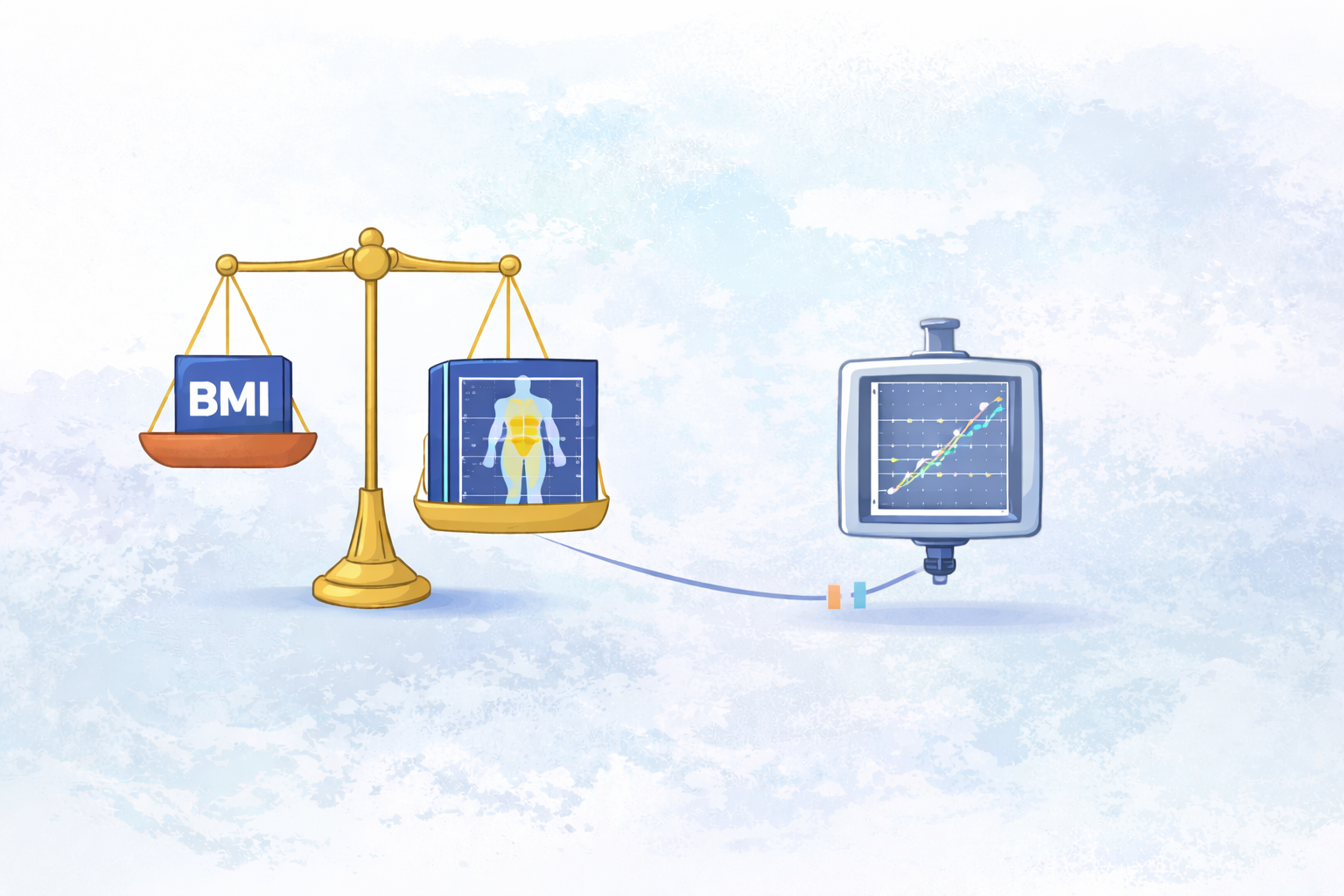
| Module 1: Measuring Adiposity | 30 m |
| Short Break | 5 m |
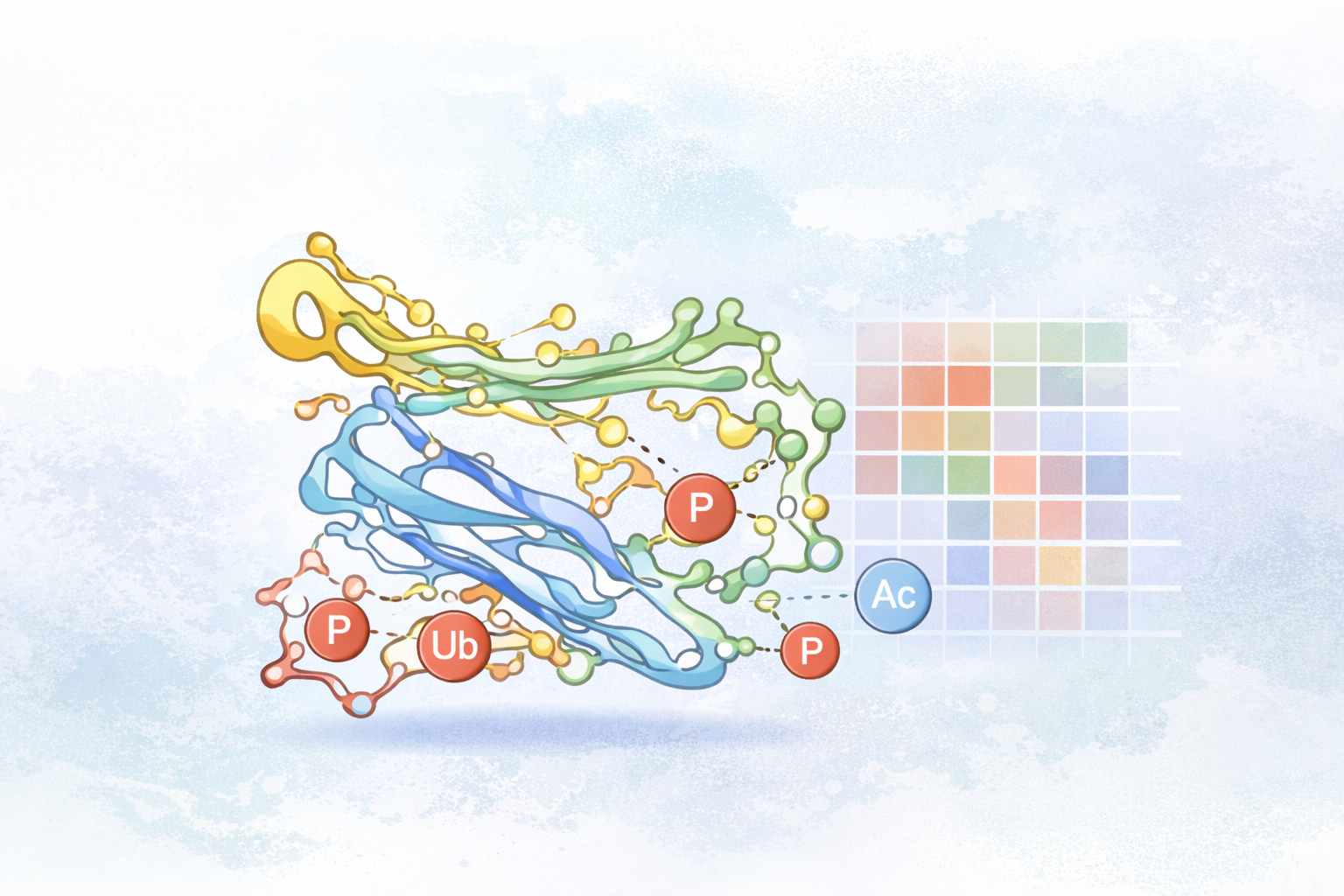
| Module 2: Proteomics with AlphaFold | 30 m |
| Break | 20 m |
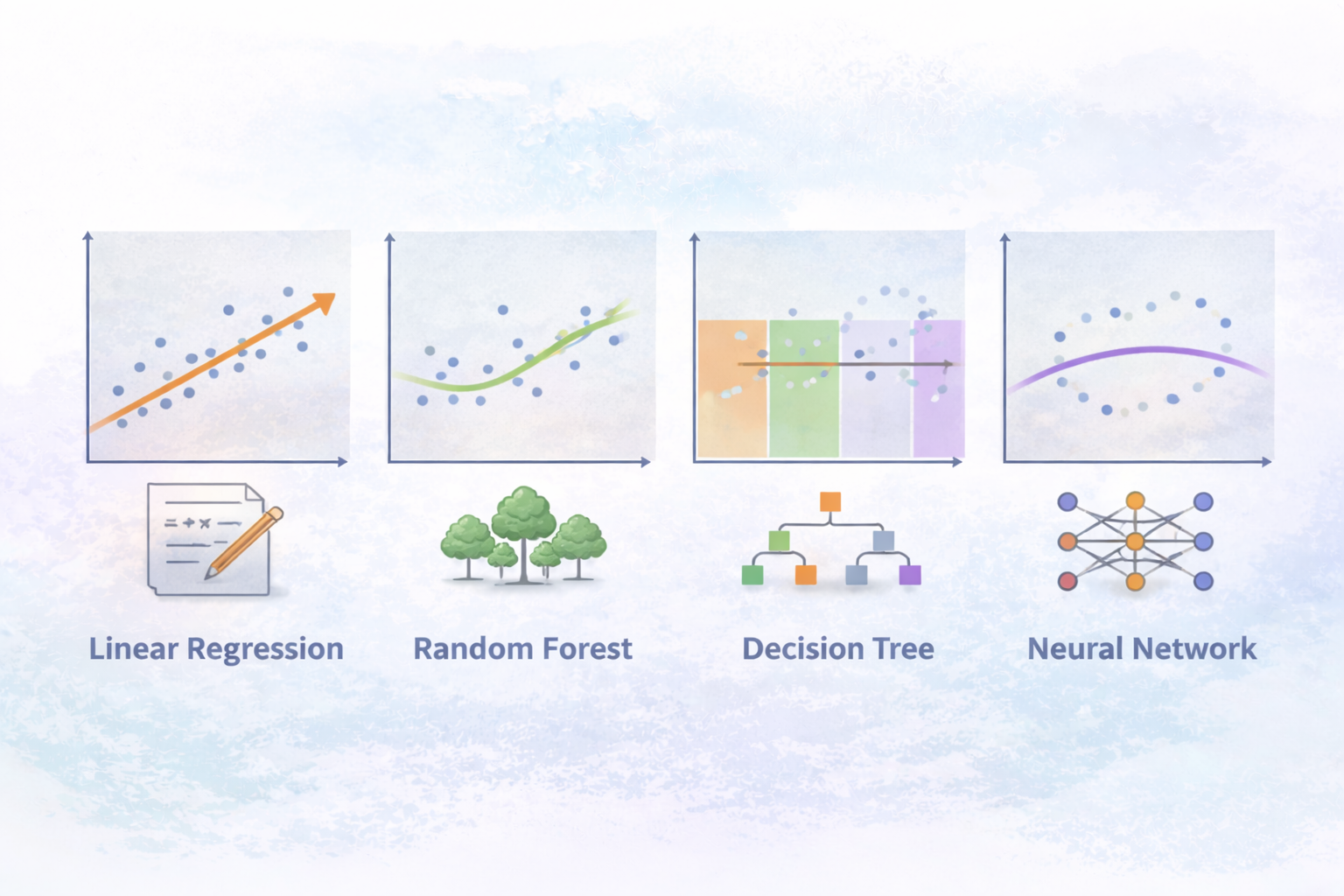
| Module 3: Rashomon Quartet | 40 m |
| Wrap-Up, Conclusions, and Questions | 20 m |
The companion website for this workshop is available at:
https://thmccormick.github.io/ipd-short-course
To use the workshop image:
docker run -e PASSWORD=<choose_a_password_for_rstudio> -p 8787:8787 ghcr.io/thmccormick/ipd-short-course:latestOnce running, navigate to http://localhost:8787/ and then log in with rstudio:yourchosenpassword.
Then begin!
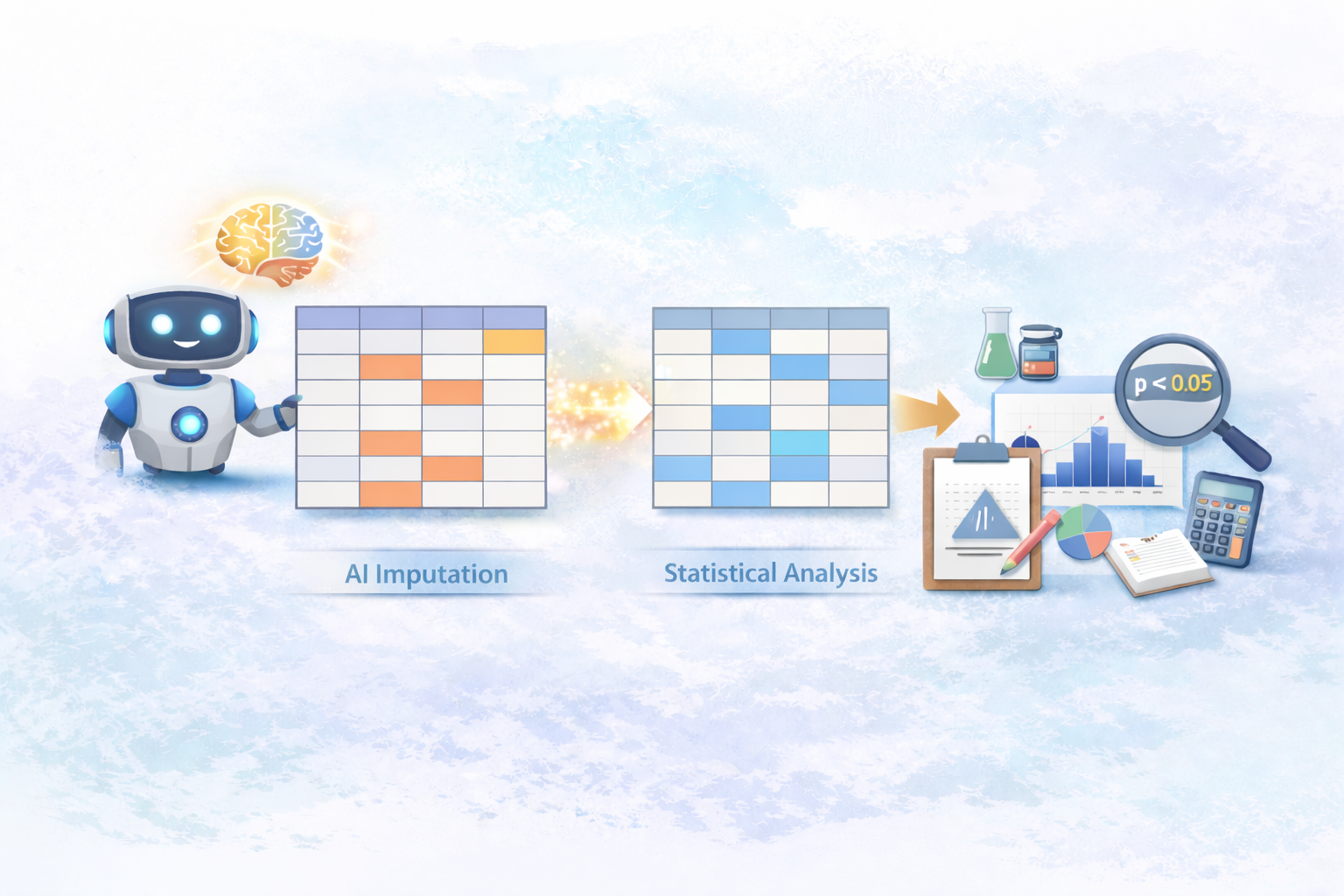
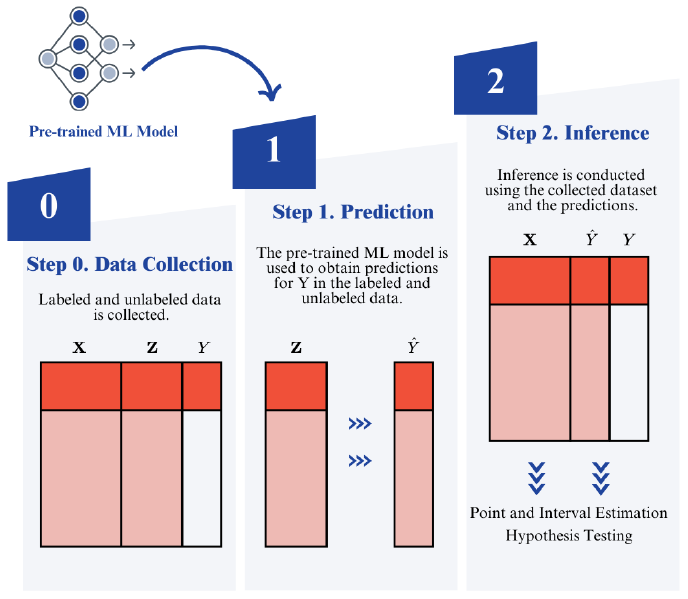
In this short course, we explore the consequences of conducting inference on predicted data across several applications and present a suite of prediction-based (PB) inference methods that adjust for prediction-related uncertainty to improve inference validity and efficiency. We also introduce ipd, a user-friendly R package that implements the PB inference methods through a unified interface. The package supports modular integration into existing workflows and includes tidy methods for model inspection and diagnostics.
This short course covers four modules, each illustrated with the ipd package:1
We have also included an additional module for self-guided exploration:
This short course uses a blended format of instruction and hands-on coding exercises. Participants should:
R and tidyverse syntax (e.g., dplyr, broom).randomForest) and regression modeling (e.g., lm, glm).ExpressionSet, AnnotationDbi, and MLInterfaces is helpful for one of the supplemental modules.Presenter: Tyler H. McCormick ✉︎
Acknowledgement: This short course adapts and extends Stephen Salerno’s original IPD workshop website and materials.
Original Workshop Contributors (Alphabetical Order): Awan Afiaz ✉︎, David Cheng ✉︎, Jianhui Gao ✉︎, Jesse Gronsbell ✉︎, Kentaro Hoffman ✉︎, Jeff Leek ✉︎, Qiongshi Lu ✉︎, Tyler McCormick ✉︎, Jiacheng Miao ✉︎, Anna Neufeld ✉︎, Stephen Salerno ✉︎
Module card cover images were generated by GPT-5.2.↩︎